In sheet metal work fabrication, the tolerance factor is critical in the quality, functionality, and reliability of parts that have been manufactured. Tolerance is the permissible difference between the dimensions of a part and the original design of the part. Even minor variations will affect the fit, performance, assembly, and durability of the product. Knowledge of the effect of tolerances on the quality of sheet metal fabrication is a vital aspect that manufacturers such as ShincoFab, engineers, and designers of products will obtain to achieve regular and high-precision outcomes.
Knowledge about Tolerances in Sheet Metal Fabrication
Some of the processes involved in the fabrication of sheet metal include cutting, bending, welding, and finishing. These processes involve natural variations brought about by the behaviour of the material and machine capability, as well as environmental factors. The tolerances set these limits within which these variations can be allowed to be made without interfering with the intended functionality of the part.
Part Fit and Assembly Effect of Tolerances
A direct consequence of tolerance is the part fit in assembly. Fabricated components falling out of the given scope of tolerance might not fit, resulting in gaps, interference, or misalignment. In intricate assemblies, any tiny deviation in tolerance can add up, causing major fit problems.
Unchecked tolerances may lead to wastage of assembly time, compulsory fitting, or manual adjustments. Not only do they cause such a decrease in efficiency in production, but they also drive up labor expenses and lead to the possibility of making some parts in the assembly damaged.
Control over Functional Performance
Tolerances have a direct bearing on the way a sheet metal part is going to behave in its intended use. An example is the use of an incorrect position of holes in enclosures that can affect the effectiveness of sealing, resulting in the ingress of dust or moisture. Components of a structure having some irregular bend angles could undermine the load-bearing strength or lead to vibration problems.
Functional performance in applications in the automotive, aerospace, electronic, and medical equipment industries is closely associated with dimensional accuracy. Having tight tolerances guarantees that components are safe, reliable, and can fit in with the other components.
Tolerances and Cost of Manufacturing
Although tighter tolerances increase quality in most cases, they also add complexity and cost to the manufacturing process. Tolerances can be achieved by using specialized equipment, extra processing, slower production rates, and inspections.
Unjustified tolerance should be avoided by over-specifying because it may result in unwarranted and non-beneficial costs. Tolerances, on the other hand, that are excessively liberal may lead to quality problems, rework, or scrap.
Material Behavior and Forming Processes
The material characteristics are an important consideration in the tolerances in the fabrication of sheet metal. The behavior of various metals to cutting and forming processes varies. Dimensional stability depends on factors like thickness, grain direction, and elasticity.
Another issue that occurs during the bending is springback, which influences the angle and dimensional precision. Unless tolerances are considered correctly, springback may take parts out of limit.
Equipment and Process Control Role
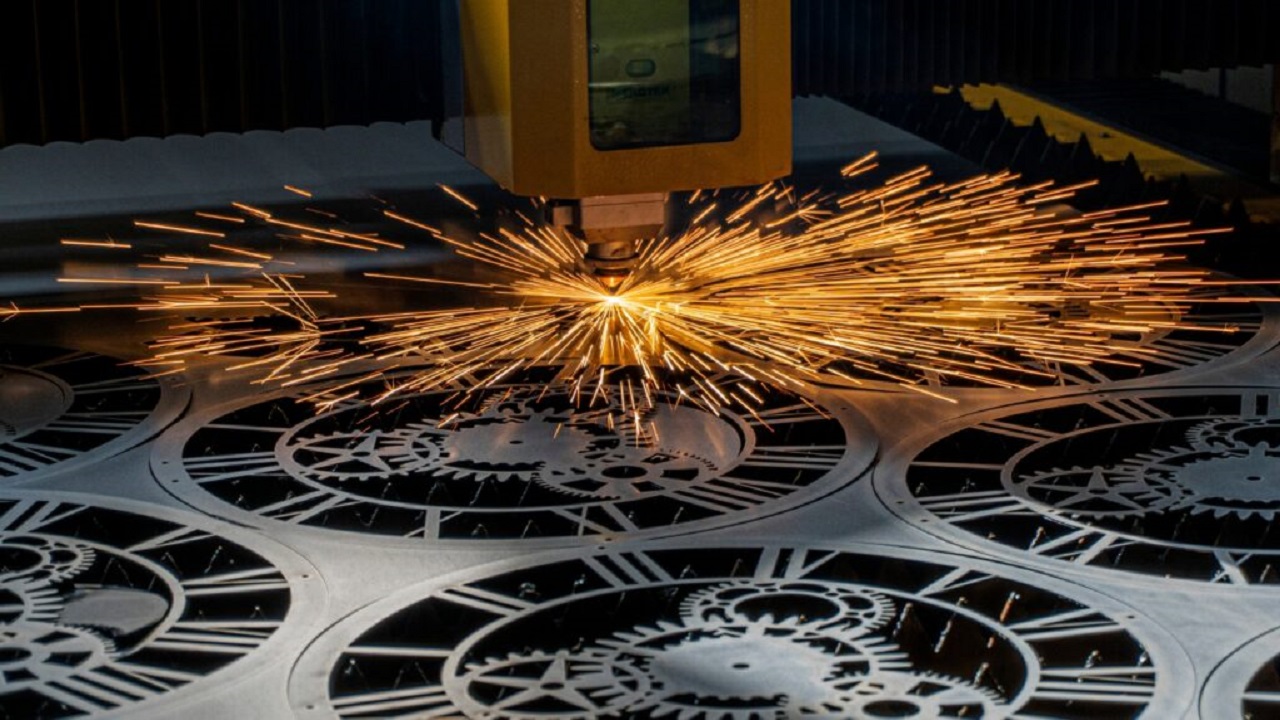
The current sheet metal cutting is highly dependent on CNC, laser, and automated bending machines in order to produce very small tolerances. Enhanced production equipment minimizes the human factor and enhances repeatability between production batches.
Control and calibration of processes are also important. Machine maintenance, inspection of tools, and real-time monitoring are regularly done as a way of making sure that the tolerances do not vary over time during production. Even the sophisticated equipment might have variations that affect the quality of parts without control.
Significance of Inspection and Quality Assurance
One of the major aspects of tolerance compliance involves inspection. Checks of dimensions with the aid of tools like calipers, gauges, coordinate measuring machines, and others, are a way to check whether parts are within specifications.
Regular inspection will enable manufacturers to detect deviations at the earliest stage, minimize the scrap rate, and ensure stable quality of the production. The quality assurance processes also offer good feedback, which can be considered in order to enhance designs and manufacturing processes over time.
Manufacturability and Tolerance Optimization
Tolerance management is effective at the design stage. Design for manufacturability concentrates on improving part geometry and tolerance requirements to match manufacturability. Early factoring in realistic tolerances will help the designers to avoid manufacturing problems and cut unnecessary expensive revisions.
The cooperation between engineers and fabricators will guarantee that the tolerance specifications not only help in the functionality of the product but also in efficient manufacturing. This collaborative strategy results in better quality parts, shorter lead times, and more reliable production results.
Conclusion
One of the foundational aspects of the quality of sheet metal fabrication is tolerances. They affect fit, performance, cost, and durability during the manufacture of fabricated components. Defined and managed tolerances can assist manufacturers in producing high-performance and consistent components without incurring extra costs and time wastage in production. Taking into consideration tolerance along with quality and practicality during designing, fabricating, and inspection of sheet metals, the manufacturers of the sheet metal will be able to deliver high-quality and reliable output in any project.