The automation in the factory has transformed the way the cabinets are made, particularly when it is a large project, and uniformity and speed are needed. In the process of making a cabinet, automation can be defined as the application of a machine and computer programs to perform a task that previously existed as a manual operation. This change helps manufacturers handle complex orders, reduce manual errors, and maintain consistent production. For developers and contractors, automation has a direct impact on meeting deadlines and producing all units according to the approved design. To view more about custom cabinet solutions, check Piano’s offerings.
Precision in Cutting and Processing
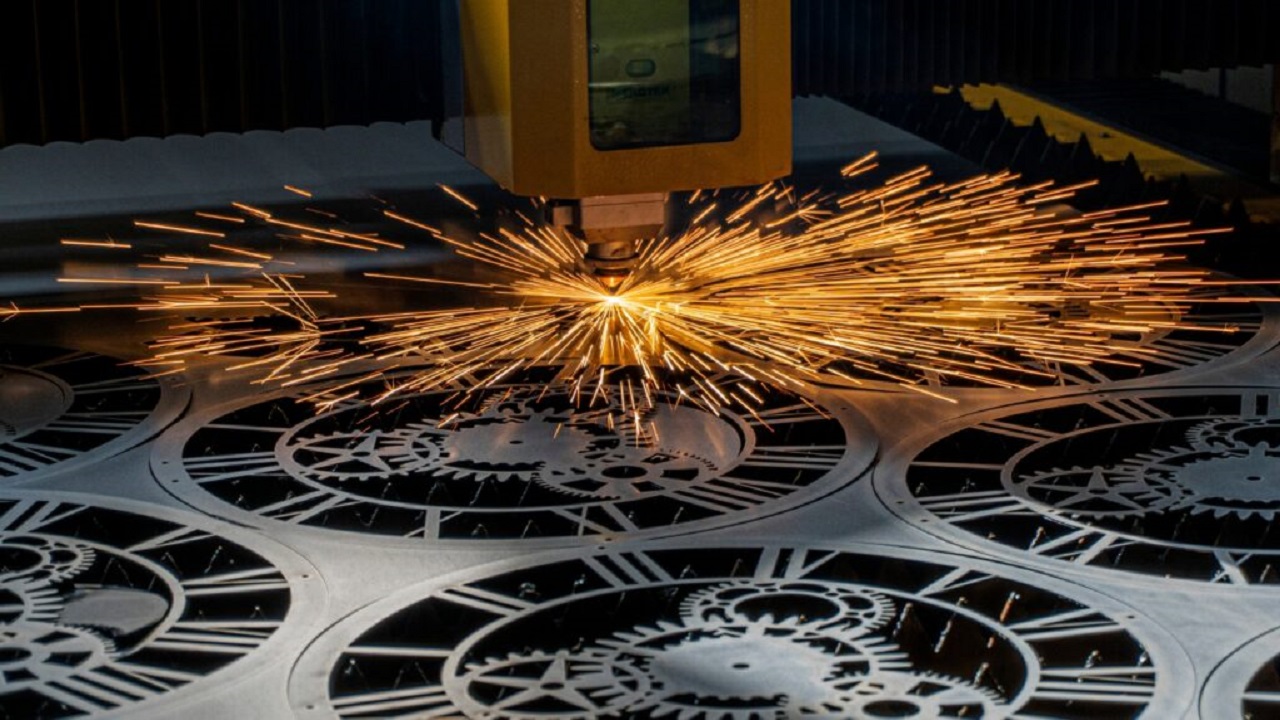
The correct cutting and shaping of materials is one of the primary advantages of automation. Machines that use digital controls are based on precise measurements in plan files. This minimizes errors that are likely to arise in manual labor. Once the panels are accurately cut at the beginning of production, the whole production process becomes much easier and quicker, and adjustments are required less often.
Consistency Across Large Orders
A large production run can involve hundreds or thousands of cabinets. The automation will ensure that the pieces are the same size and finish. This kind of consistency cannot be easily realized with manual processes only. Piano implements automated production systems to ensure consistent quality across client project orders, preventing non-conformance across different units within the same development.
Integration with Design Data
In the present manufacture of cabinets, the design software is directly linked to the production machines. Shop drawings are approved, and the data is sent to the factory floor without having to re-enter it. This minimizes the possibility of miscommunication between the design and production departments. It also reduces the interval between approval and manufacturing.
Speed and Production Efficiency
Automation enhances production speed by performing monotonous tasks continuously. Machines also have the ability to work long hours without variations in output, and this would be helpful in strict timeframes for projects. Although setup time is still needed, the efficiency of the entire process will improve once production begins. This is particularly essential in projects with very strict timelines.
Material Handling and Waste Control
The automated systems are used to streamline the utilization of materials. Patterns of cutting are used to minimize waste, and machines adhere to these plans with high precision. This does not just save material expenses but also helps to manufacture more under control. Less waste also implies fewer delays due to material shortages or reordering.
Quality Control During Production
The quality checks at various manufacturing stages can be automated. Machines can detect anomalies in size and alignment earlier. This minimizes the defects in the final stage. Piano uses both automated systems and inspections to verify that cabinets meet the project’s specifications prior to packaging.
Flexibility for Custom Projects
Despite the common association of automation with mass production, it may be used to facilitate individual work. Different designs can be programmed in machines without a significant redesign of the production line. This allows different layouts to be used for a single project. Piano focuses on custom work, where designs vary according to clients’ drawings, and automation handles the variation without reducing production speed.
Impact on Labor and Skills
Automation alters the nature of the labor required to produce cabinets. Rather than manual cutting and assembly, workers devote more attention to operating machines, monitoring, and maintenance. To operate equipment, skilled operators are required so that the production process is not hampered. This change is efficient and demands training and technical expertise.
Coordination with Project Timelines
Better planning and scheduling are assisted by automated production. Given that machines operate according to predetermined programs, manufacturers can more precisely predict production times. This helps coordinate the delivery of the cabinet and the construction dates. Timeliness reduces the likelihood of delays in the installation process and ensures projects run as scheduled.
Limits of Automation
Automation does not eliminate human involvement, even though it has advantages. The design decisions, material choices, and final checks still need to be scrutinized. Manual adjustments might be required in complex or highly detailed work. Automation is best applied with experienced management rather than fully automating it.
Conclusion
In contemporary cabinet production, factory automation is important in enhancing accuracy, uniformity, and efficiency. It helps with large-scale production and with specific projects by integrating design information and machinery accuracy. Although it cannot eliminate human judgment, it minimizes errors and helps sustain production. For developers and contractors, automation is a sure way to meet the project’s requirements and, at the same time, ensure that the cabinets are designed to meet the required quality standards.