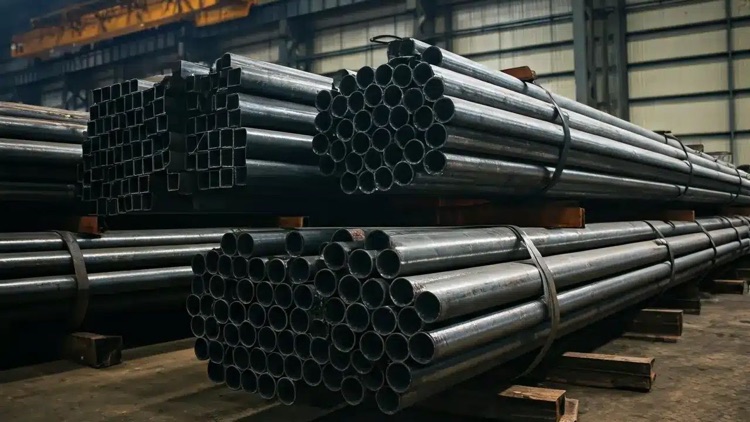
The API 5L line pipes are popular in transporting oil, natural gas, water, and other fluids using pipeline systems. The pipes would be industry standard and come in various grades, sizes, and specifications. Choosing an appropriate API 5L line pipe is a critical issue. It directly influences the safety of the pipeline, its performance, and the costs of a project. These challenges can be prevented, and an awareness of them might contribute to making an api 5l line pipe project successful.
Choosing the Wrong Pipe Grade
Among the most frequent problems is the choice of an inappropriate grade of pipe to use. API 5L pipes are available in different grades. The grades have various intensities and performances. By taking a lower grade than is needed, there is the risk of not being strong enough, and by taking a higher grade than is needed, the costs can go up. To prevent this issue, operating pressure, environmental conditions, and design requirements should be considered carefully by project engineers when choosing a grade of pipe.
Overlooking Corrosion Protection Requirements
One of the largest dangers that pipeline systems face is corrosion. Other purchasers pay attention to the pipe strength and its size without considering the corrosion protection requirements. Unprotected pipelines that are exposed to moisture, chemicals, or other adverse conditions of the soil may be damaged drastically. In order to prevent this challenge, when selecting the pipe coatings, linings, and corrosion-resistant materials, project teams need to take into consideration the following process.
Selecting Incorrect Pipe Dimensions
The thickness of the wall and the diameter of the pipe have great significance in the performance of pipelines. The choice of the wrong dimensions may influence the capacity of the flow and the pressure management, as well as performance. Small pipes can limit flow, and oversized pipes can end up wasting money on unnecessary project expenditure. Engineering calculations must be done carefully to arrive at the right dimensions depending on the flow requirements, level of pressure, and system design. Sizing is good to gain efficiency and safety.
Project Requirements
↓
Operating Pressure
↓
Select Pipe Grade
↓
Choose Pipe Diameter
↓
Determine Wall Thickness
↓
Select Coating
↓
Verify API 5L Certification
↓
Installation
Failing to Verify Certifications and Documentation
The other pitfall is the buying of pipes without due diligence on certifications and paperwork. The API 5L certification indicates that the pipes are in accordance with the accepted industry standards. The pipes may not be tested and quality checked as they should be unless this is documented. Before purchasing, buyers must always demand mill test certificates, inspection reports, and compliance documents. This aids in quality control of products as well as handling project risks.
Failing to Plan for Future Expansion
Other pipeline projects are only planned to meet current requirements without looking into the future. With the increase in demand, the pipeline might need to be expanded or have an increase in the amount of operating capacity. When the initial pipe choice cannot be changed to accommodate future needs, then costly changes will have to be made. To counter this problem, project planners should also take into account long-term objectives in operations at the design phase and use pipes that will be able to accommodate future expansion.
Importance of Working with Technical Experts
The choice of API 5L line pipes is a multifaceted issue with numerous technical implications, such as the grade, pressure needs, corrosion resistance, and regulatory compliance. Critical information can be missed without professional assistance. It may also be recommended to hire the services of seasoned engineers, pipeline experts, and competent suppliers who can assist in detecting possible problems before they become expensive to fix. The knowledge base enhances decision-making and the chances of the project succeeding.
API 5L Pipe Selection Checklist
✔ Operating Pressure
✔ Pipe Grade
✔ Pipe Diameter
✔ Wall Thickness
✔ Corrosion Protection
✔ API Certification
✔ Inspection Documents
✔ Supplier Experience
✔ Transportation Planning
✔ Future Expansion
Conclusion
To realize safe, efficient, and reliable operations of the pipeline, it is crucial to select the appropriate API 5L line pipe. Issues like the selection of the incorrect grade, neglect of operating conditions, and absence of attention to corrosion protection, and thinking about cost alone, may result in severe difficulties. Project teams can prevent these mistakes by thoroughly analyzing everything. A proper pipe selection process is one of the key factors that can be used to guarantee the long-term performance, safety, and value of pipeline infrastructure projects.